Taking Early Detection Further: Skin Cancer
Non-melanoma skin cancer is the most common type of cancer in Germany, and melanoma is often fatal, yet early detection is under scrutiny. Dermatologist Prof. Carola Berking discusses whether the mortality rate is the only measure, how people at particularly high risk can be encouraged to seek early detection, and how AI can help avoid unnecessary surgeries in the future.
Prof. Berking, skin cancer screening was recently at the center of a debate: A commission appointed by the federal government recommended suspending or reviewing the screening program. It cited a lack of evidence that the program reduces skin cancer mortality as the reason.
There’s no denying that no one can prove that screening saves lives. However, skin cancer is not the leading cause of cancer-related deaths: Each year, approximately 4,500 people in Germany die from skin cancer, 3,000 of them from melanoma. However, non-melanoma skin cancer is the most common cancer of all—more common than lung and colorectal cancers combined—and its incidence continues to rise. The question is: Should we measure the effectiveness of screening solely by its ability to reduce the mortality rate? Or should we also consider other criteria? For example, the fact that earlier stages are detected—which, while requiring less invasive surgery and leaving smaller scars, improve people’s quality of life in the long term?
In addition, screening raises awareness, because with skin cancer in particular, education is key—specifically, how to protect yourself from dangerous UV rays. And as a result, you’ll develop fewer wrinkles and maintain a more youthful appearance. Incidentally, among young people, UV protection campaigns that focus on wrinkle prevention are more effective than those that emphasize skin cancer.
So should things stay as they are?
I understand the criticism, of course. But skin cancer screening is a simple and relatively inexpensive diagnostic method that causes no harm initially. The burden of any subsequent surgeries is also manageable. If the goal is solely to reduce the mortality rate, one could design a risk-based screening program specifically for melanoma, which would look somewhat different than one for all types of skin cancer.
What risk factors are specifically relevant for melanoma?
For both types of cancer, skin type is a factor, as are sun exposure and the number of sunburns. For melanoma, family history is also a factor, as is—above all—the number of moles, which correlates strongly with the risk of developing the disease. Melanoma screening would need to start earlier in life, as it often occurs even in younger people, whereas non-melanoma skin cancer is a disease of older age.
Who goes for skin cancer screening? Often not the people who should!
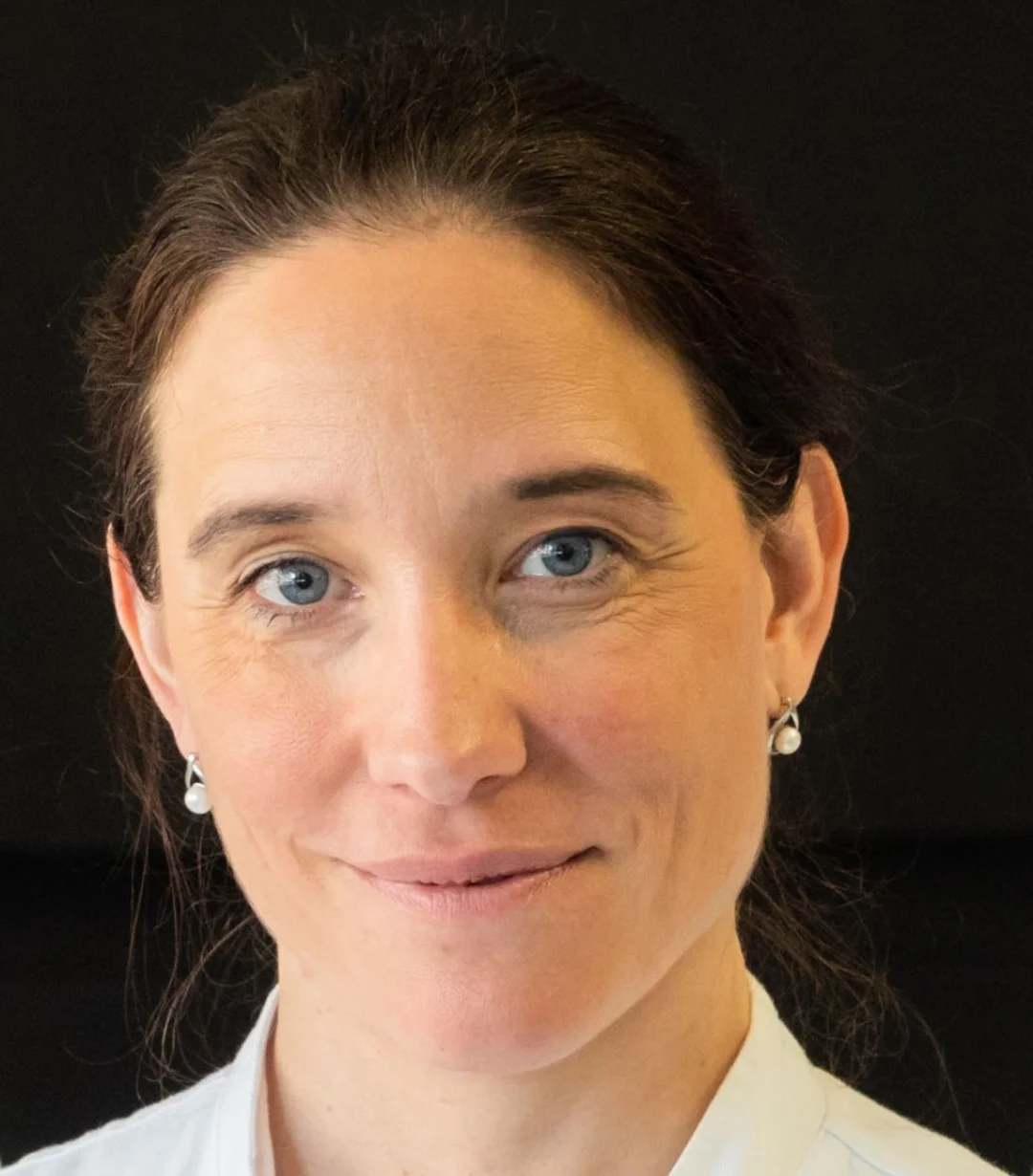
Prof. Dr. Carola Berking is the director of the Department of Dermatology at Erlangen University Hospital
Many of the lesions classified as suspicious during screening turn out to be harmless—meaning they were operated on unnecessarily. Is there potential for cost savings here as well?
Unnecessary surgeries are closely linked to the quality of the examiner. I am optimistic that AI-supported devices will be able to provide valuable assistance with diagnostic findings in the future. Such devices are already in development, for example at the German Cancer Research Center, where an AI-supported dermatoscope is currently being tested.
What about other imaging techniques?
“Line-Field Optical Coherence Tomography,” or LC-OCT for short, is particularly effective at detecting basal cell carcinomas, thanks to AI support. This is a relatively well-established non-invasive imaging technique that can often avoid the need for tissue biopsies. Several other imaging techniques are still in development, particularly for melanoma. None of these are fully developed yet, but some of them could be helpful. In general, however, it’s important to note that the costs of using all these devices for screening are not covered by health insurance. For people with a particularly large number of moles, full-body scanners—which capture all moles in a single image—are also of interest. However, a suitable AI solution for evaluating these images is currently still lacking.
At just under 30 percent, participation rates in skin cancer screening have been quite low so far—why is that?
It’s understandable, since there’s no invitation. So who actually goes for screening? Often not those who need it most, but rather health-conscious women who are already careful about UV protection. But those who don’t show up are men who work outdoors in the sun or older adults—and those are precisely the groups in whom we suspect skin cancer.
Financial resources in the healthcare system are limited: How would you organize skin cancer screening to achieve the greatest health benefit for the population?
I would advocate for an organized, risk-based screening program: Around the age of thirty, everyone would receive a letter or be approached by their primary care physician to determine their personal risk score—a simple process, ideally entered directly into their cell phone. No more than ten questions: skin type, sun exposure, family history, number of moles—I would also include occupational sun exposure. Based on the results, the screening would be tailored, and the person would automatically receive an invitation. A high risk score would certainly persuade many people who are reluctant to get screened to go through with the examination after all—that would be a desirable side effect!
Prof. Dr. Carola Berking is the director of the Department of Dermatology at Erlangen University Hospital and vice chair of the Dermatological Oncology Working Group of the German Cancer Society (Deutsche Krebsgesellschaft e.V.)
Interview: Dr. Sibylle Kohlstädt, Press Spokesperson for the DKFZ